

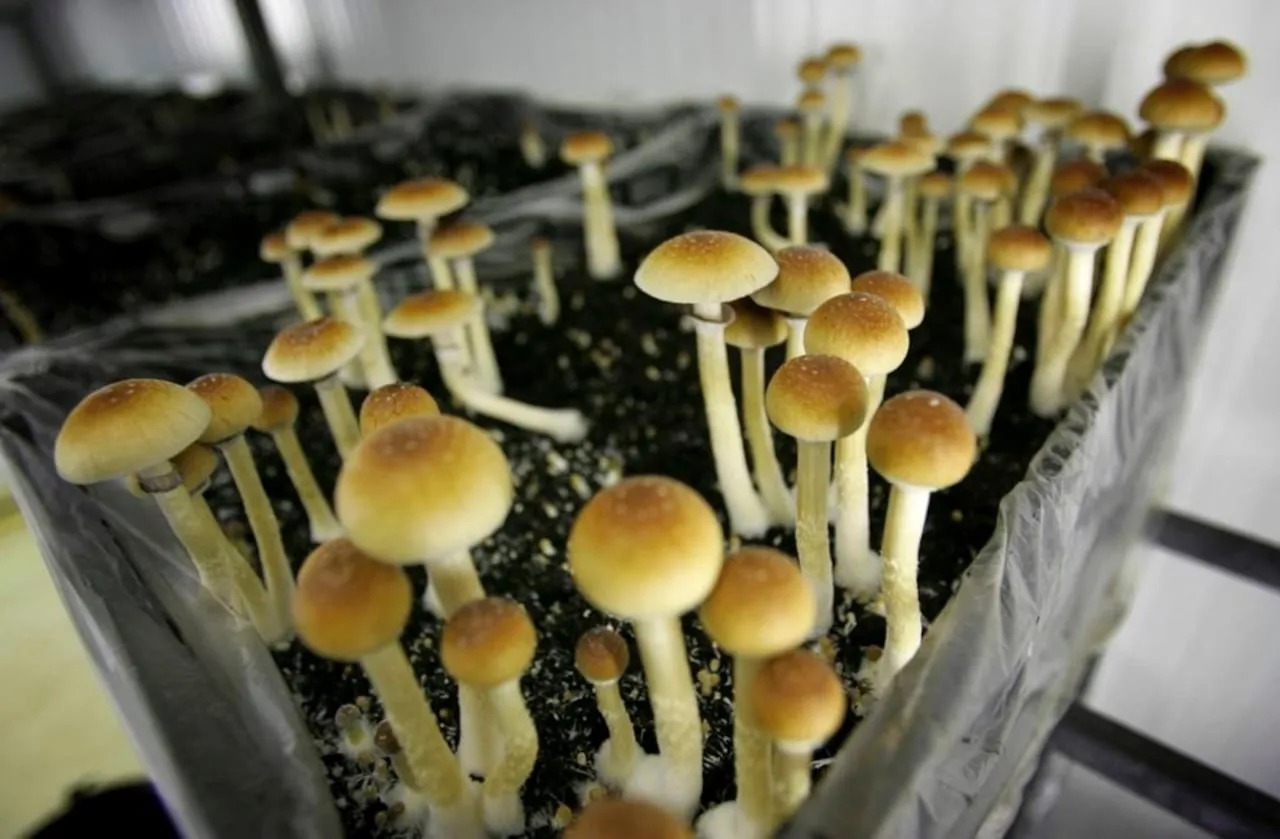
Ann Arbor has developed a reputation for academic curiosity, environmental awareness, and active public discussion about emerging social issues. These characteristics have contributed to growing interest in mushroom science and psychedelic policy. Yet public conversations sometimes overlook the substantial differences between local enforcement decisions and statewide law. Understanding Ann Arbor’s approach requires examining its community history, research environment, and legal limitations. Together, these factors explain why mushroom-related discussions have attracted attention without creating unrestricted commercial authorization.
How Ann Arbor Became Part of the Discussion
Ann Arbor’s university environment encourages engagement with scientific developments and public policy debates. Residents frequently encounter research discussions through educational programs, community events, and regional news coverage. Interest in psychedelic substances has developed alongside broader conversations about mental health treatment, criminal justice priorities, and the importance of evidence-based decision-making.
The community’s history of civic participation has also shaped discussions concerning entheogenic plants and fungi. Local advocates have raised questions about enforcement priorities and potential alternatives to existing policies. These conversations involve competing considerations, including individual freedom, public health, scientific uncertainty, and the responsibilities of municipal government.
What Local Enforcement Changes Actually Mean
Ann Arbor adopted a resolution in 2020 making certain activities involving entheogenic plants and fungi a low enforcement priority. This development received considerable attention, although its meaning is sometimes overstated. A municipal resolution influences local priorities but does not eliminate Michigan’s controlled-substance laws or create a complete regulatory framework for distribution.
Someone searching for an ann arbor mushroom dispensary might interpret local policy discussions as evidence of authorized retail sales. That assumption would be incorrect. The legal distinction between deprioritized enforcement and formally licensed commercial activity is substantial. Official municipal records and Michigan statutes provide more reliable explanations than promotional material suggesting that local changes have removed every restriction.
The Influence of University Research
Academic research contributes another important dimension to Ann Arbor’s mushroom conversation. Universities and medical institutions study neuroscience, psychiatric conditions, and the mechanisms through which different compounds influence perception and cognition. Research involving psychedelic substances follows protocols established to protect participants and produce scientifically useful evidence.
These investigations should not be confused with ordinary retail activity or unsupervised experimentation. Clinical trials generally involve eligibility assessments, research approvals, professional oversight, and systematic monitoring. Their findings contribute to medical knowledge, but individual studies cannot establish universal safety or guarantee successful treatment outcomes across diverse populations.
Public Health Questions Deserve Attention
Psychedelic substances can produce unpredictable psychological experiences. Research and public health resources describe possible effects involving anxiety, disorientation, changes in perception, and impaired judgment. Individual responses may differ according to health history, environmental conditions, and other factors. Such variability makes broad claims about harmlessness or predictable outcomes scientifically inappropriate.
Public education must also address interactions with existing medical conditions and medications without offering personalized treatment advice. People experiencing mental health difficulties should rely on qualified healthcare professionals for assessment and care. Clinical research offers an important area of inquiry, but it does not replace established healthcare services or professional judgment.
Community Education Beyond Psychedelics
Ann Arbor’s broader mushroom culture includes interest in ecological conservation, sustainable agriculture, and fungal biodiversity. Educational opportunities can focus on how fungi decompose organic matter, form relationships with trees, and contribute to forest health. These subjects provide meaningful ways to explore mushrooms without treating the entire field as synonymous with psychedelic substances.
Community discussions also benefit from distinguishing culinary mushrooms, medicinal research, and controlled compounds. Each category involves different scientific questions and regulatory considerations. Clear terminology helps prevent confusion while encouraging more thoughtful discussions among students, researchers, policymakers, and residents who approach the topic from different backgrounds.
Why Clear Communication Matters in Local Policy
Public policy discussions can become confusing when terms such as decriminalization, legalization, and enforcement priority are used interchangeably. Each expression has a different legal meaning, and misunderstanding these differences may lead residents to incorrect conclusions. Clear communication from local authorities can help communities understand what municipal decisions actually change and which restrictions remain enforceable.
Educational institutions and community groups can support this process by encouraging discussions grounded in official documents and verified information. Public meetings, academic presentations, and accessible policy explanations provide opportunities for residents to ask questions and examine differing viewpoints. Greater legal awareness encourages responsible participation while reducing the spread of misleading interpretations about local mushroom regulations.
Conclusion
Ann Arbor’s mushroom conversation reflects the interaction between civic engagement, scientific curiosity, and complex legal boundaries. Understanding the city’s approach requires more than recognizing its reputation for progressive policy discussions. Metro Mush operates within the wider regional mushroom landscape, where commercial information should be evaluated separately from official regulations and scientific evidence. By examining local government records, healthcare guidance, and credible academic research, readers can develop a balanced understanding of the issues affecting this evolving community discussion.

